Big adventures I’ve lived with for months (or years). These pages contain the messy drafts, the late‑night pivots, and the moments that shaped me. Think strategy deep‑dives, pictures, and lessons learned.
- Aranyak Farm Project
- Why Your Business Needs To Adapt To Blockchain
- Purnashiksha Education Society – Research and Teaching
- Pollinate Energy Fellowship
Aranyak Farm Project
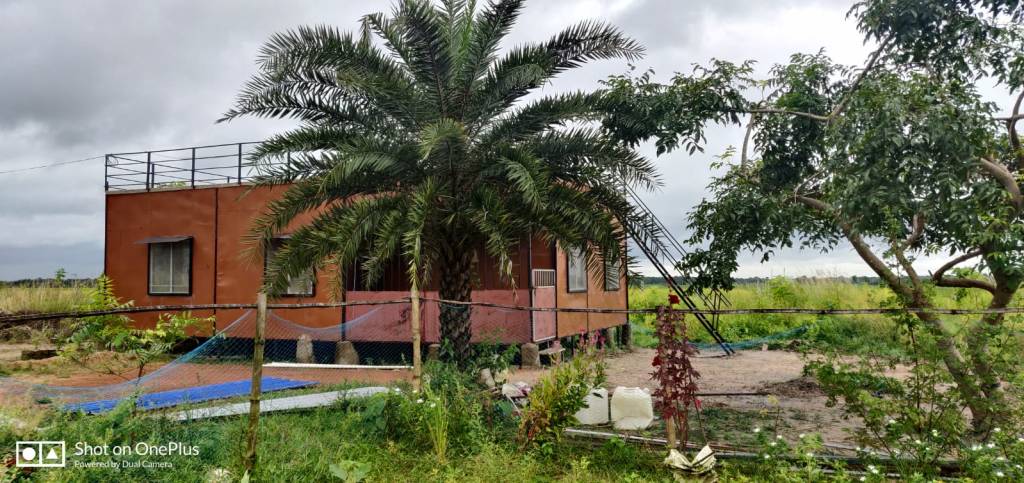
Aranyak is a Sanskrit word that translates to “of the forest”. The Aranyak Project began in December 2020. The peak-COVID months leading to its inception were spent in admiration and fascination towards nature. I spent a lot of time gardening and learning about permaculture principles from the works of Bill Mollison, David Holmgren, Geoff Lawton, and others. So, I decided to act upon my curiosity.
As soon as domestic travel restrictions were slightly uplifted, I initiated my search for land in the plains of West Bengal, where I was born. After rounds and rounds of negotiations with 15-20 people at a time, a piece of land was finally purchased. But, that was only the beginning of the toughest and the most enlightening months of my life that would follow. The land was adjacent to a Santali village and a Bengali village. Countless oppositions came from all stakeholders like adjacent plot owners to the forest department on various issues such as pond usage to boundary disputes with a varying intensity that included violence and death threats.
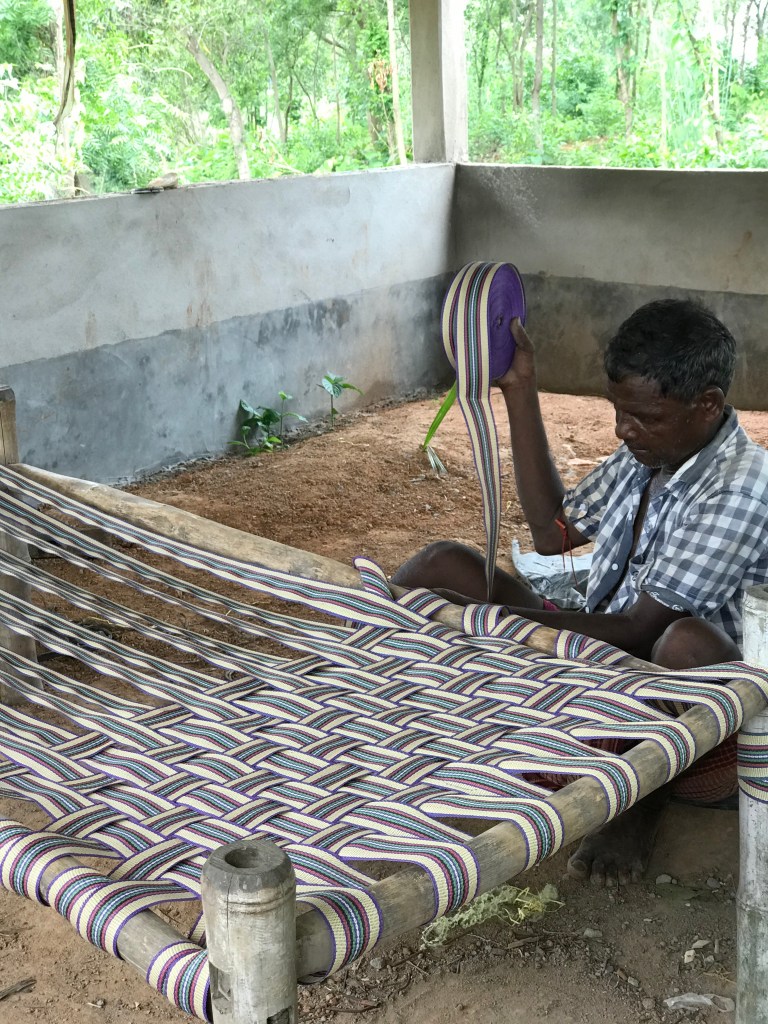
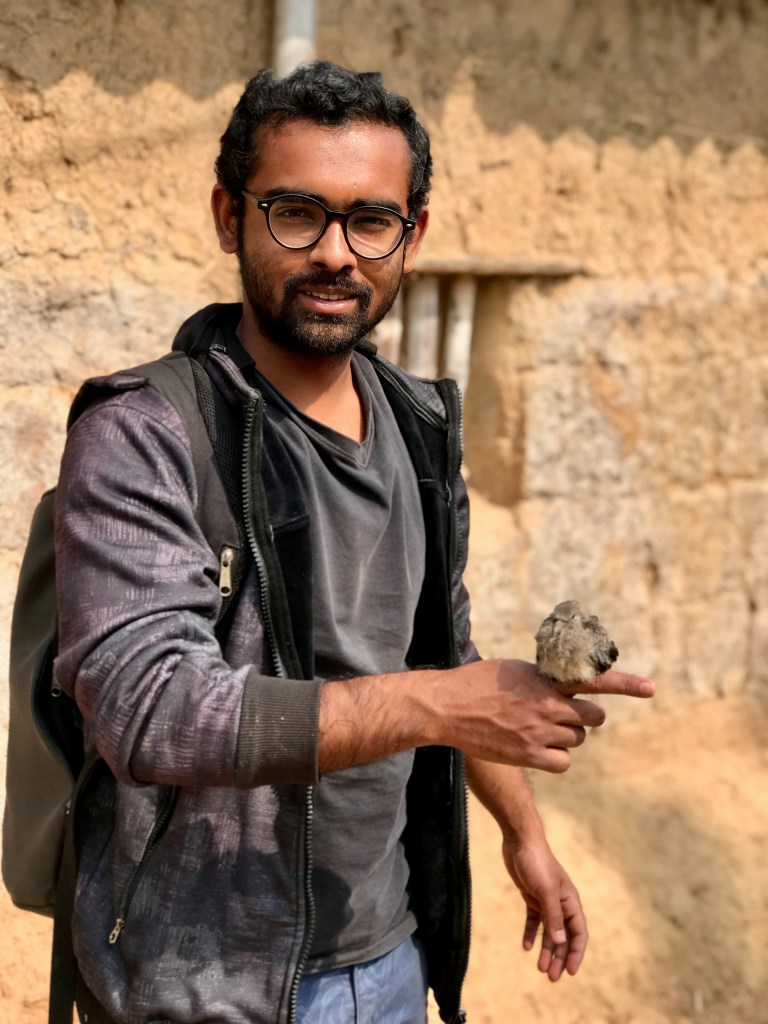
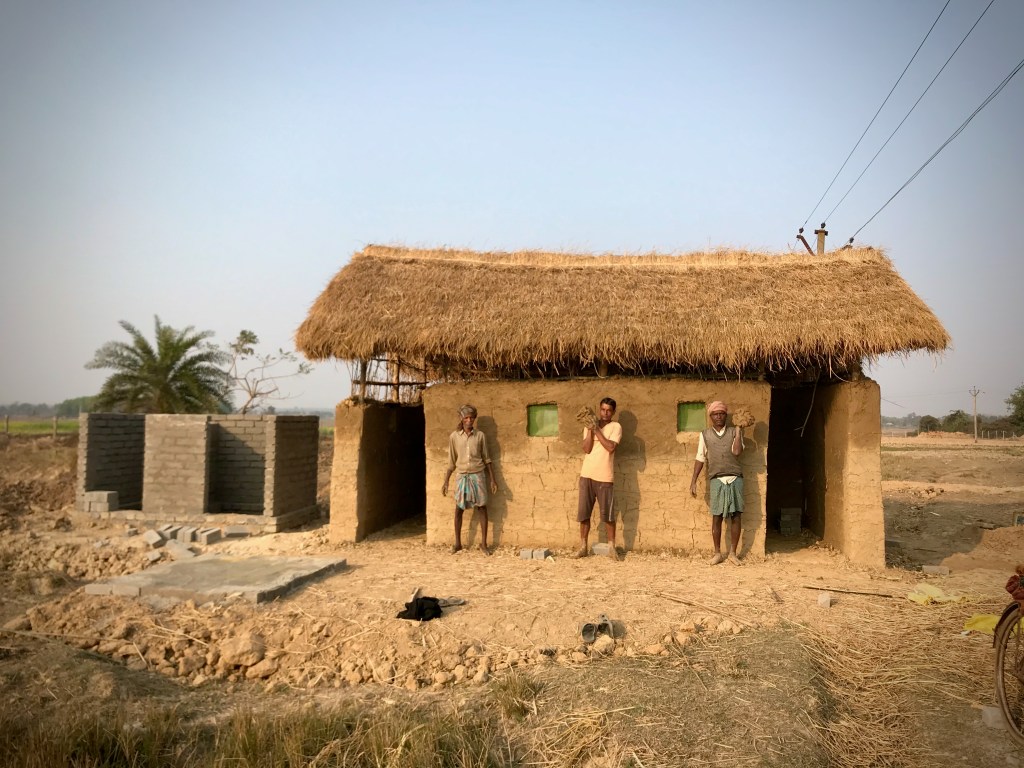
Overcoming all the obstacles, almost a year later, Aranyak is now home to some beautiful species some of which have been observed after decades by the locals. There is peace and harmony, and people from distant villages visit to witness what we are building. The project has created employment for a few individuals and is almost on the brink of breaking even though profits were not the priority. You can check out our website here

December 2020 – Present
Why Your Business Needs To Adapt To Blockchain
January 2022
Purnashiksha Education Society – Research and Teaching


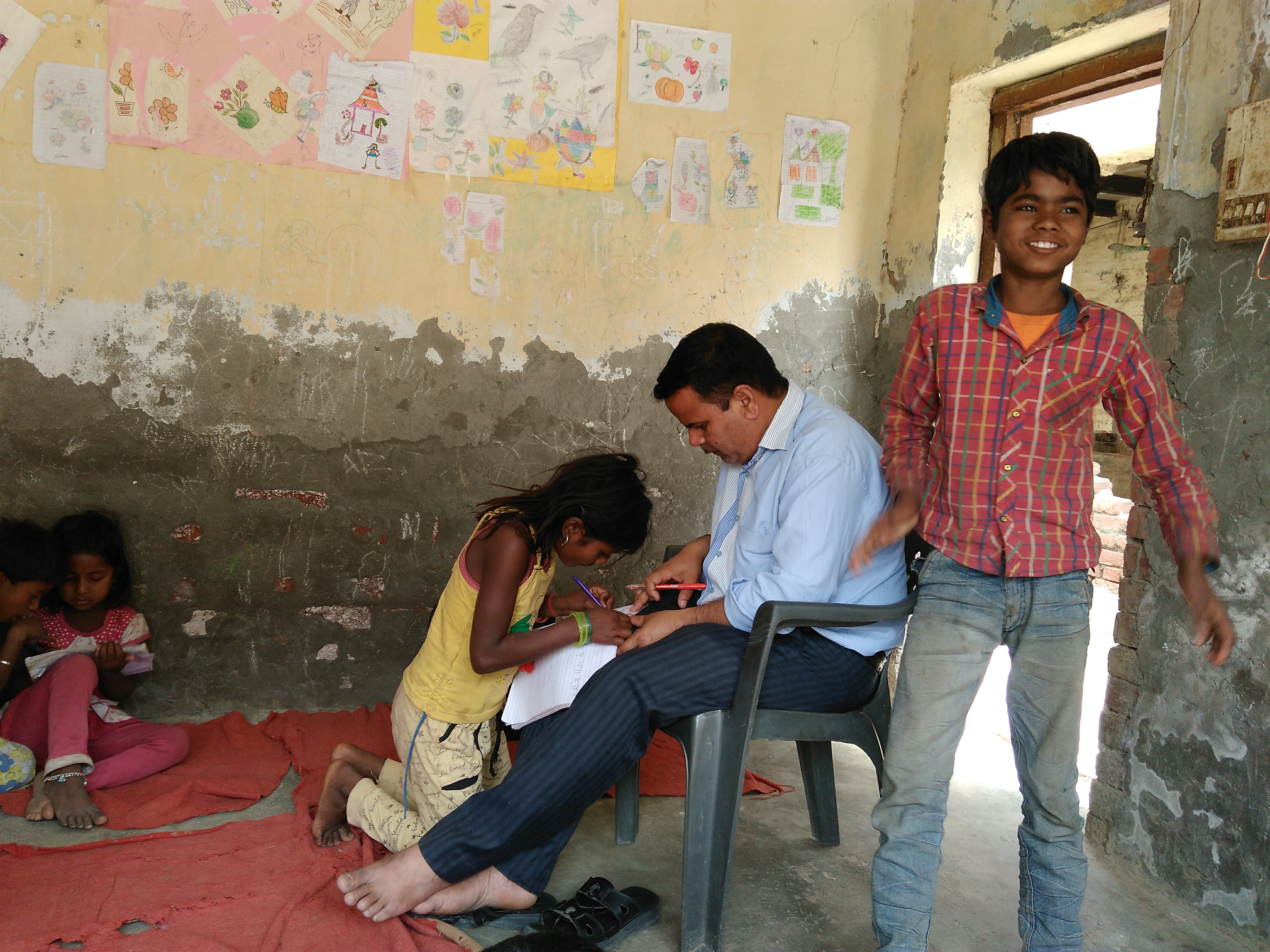
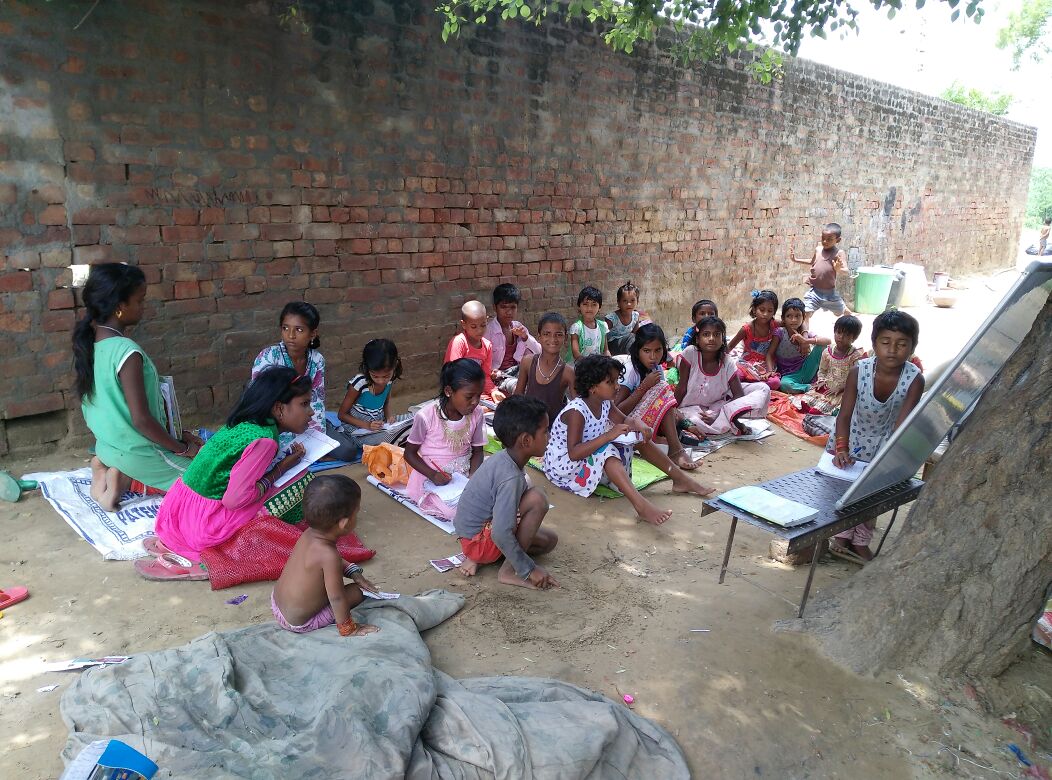
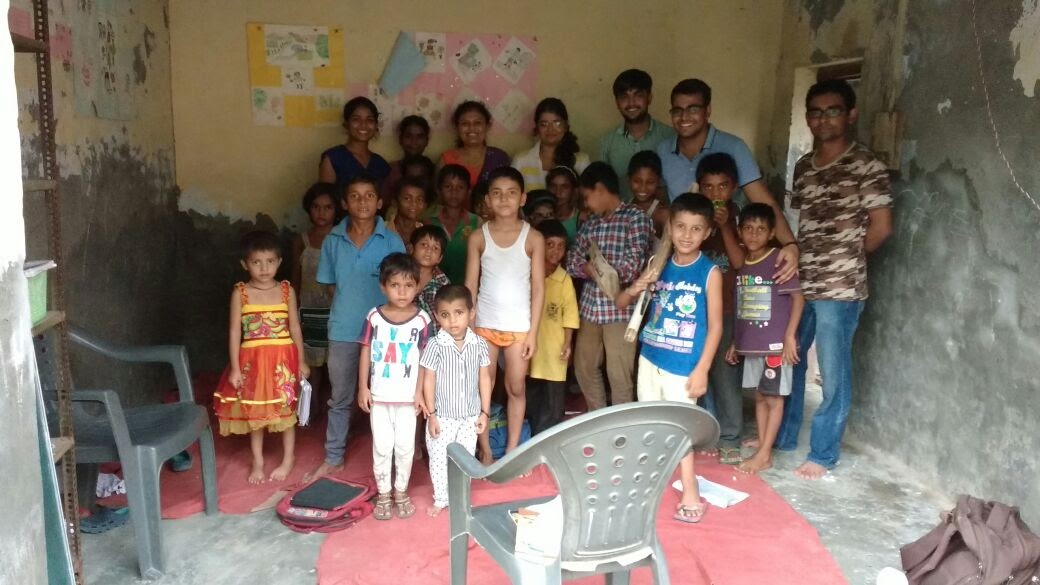
The above two images illustrate the impact of the Purnashiksha Education Society. Before Purnashiksha, the children of ragpickers in Rohtak, Haryana mostly spent their days collecting and sorting garbage. Purnashiksha provided an educational opportunity to these not-school-going children through its informal, creative, and makeshift learning centers.
Initially, I volunteered for the cause for a few months before doing a formal internship with Purnashiksha. During the internship, my focus was on qualitative data collection for an exploratory study I was conducting along with my Ph.D. supervisor and a fellow batch-mate. We used a Grounded Theory approach to conduct the interviews. In-depth interviews of public school teachers, officials of the Department of Education Haryana, and Bengali-speaking children and parents of supposedly Bangladeshi immigrant communities were conducted. The main aim of the study was to explore the issues faced by these children in entry to public schools. The paper has recently been accepted for publication in the Springer journal Systemic Practice and Action Research with an impact factor of 1.701 (2020).
I also participated in the learning process of the children in-between our research-related engagements, and could first-hand affect and witness their incredible transformations.


March 2017 – July 2018
Pollinate Energy Fellowship
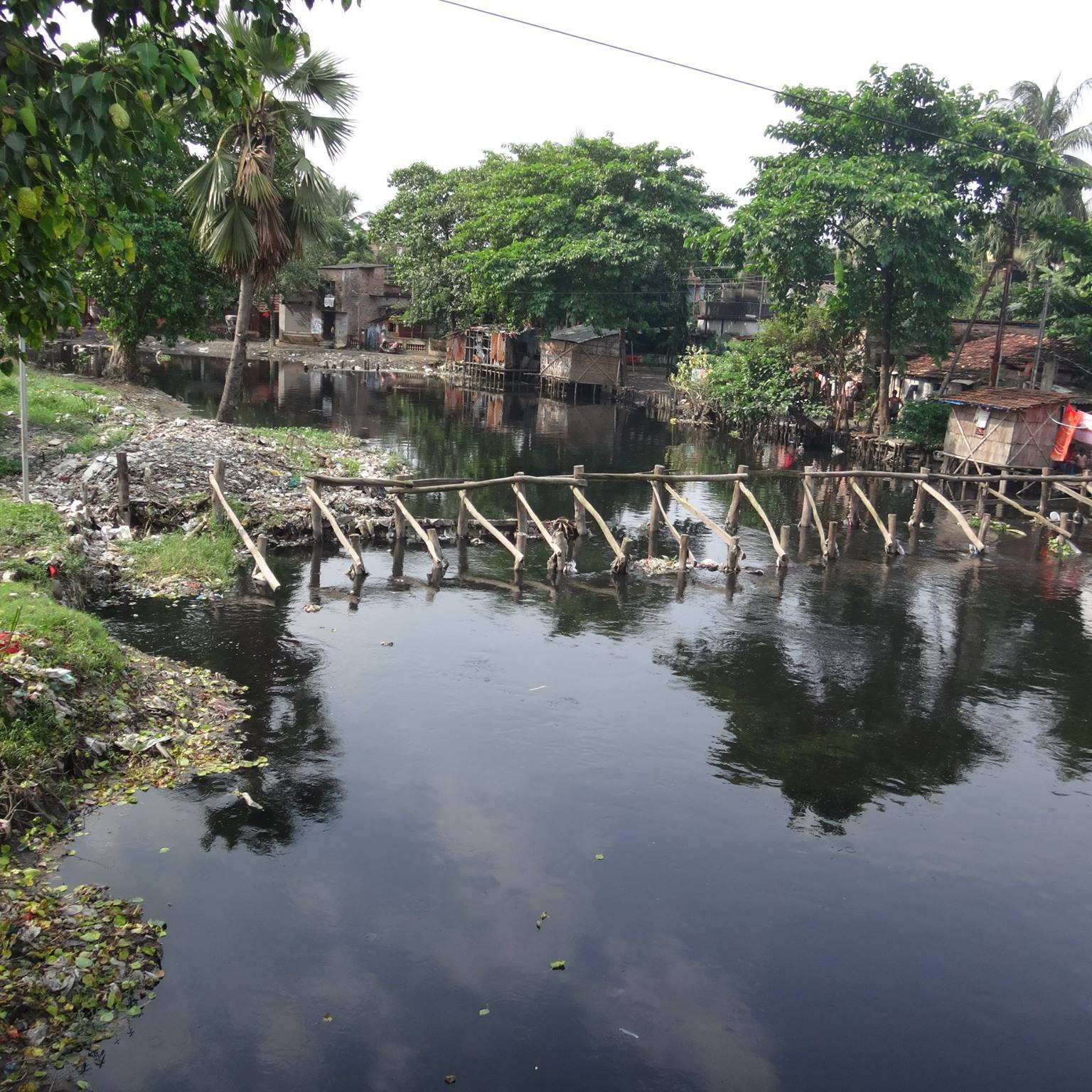
Pollinate Energy is a social business that provides renewable energy solutions to unelectrified urban settlements. These households sometimes engage in electricity theft to meet their needs. With meagre family incomes, they rely on collected wood and charcoal for their cooking needs. As a result of their illegal, uncertain, and unhealthy supply of energy, they were in dire need of alternate energy sources. Pollinate was addressing this market gap through its solar energy-based products and favorable financing options. It was also generating employment by hiring sales representatives from within these communities.
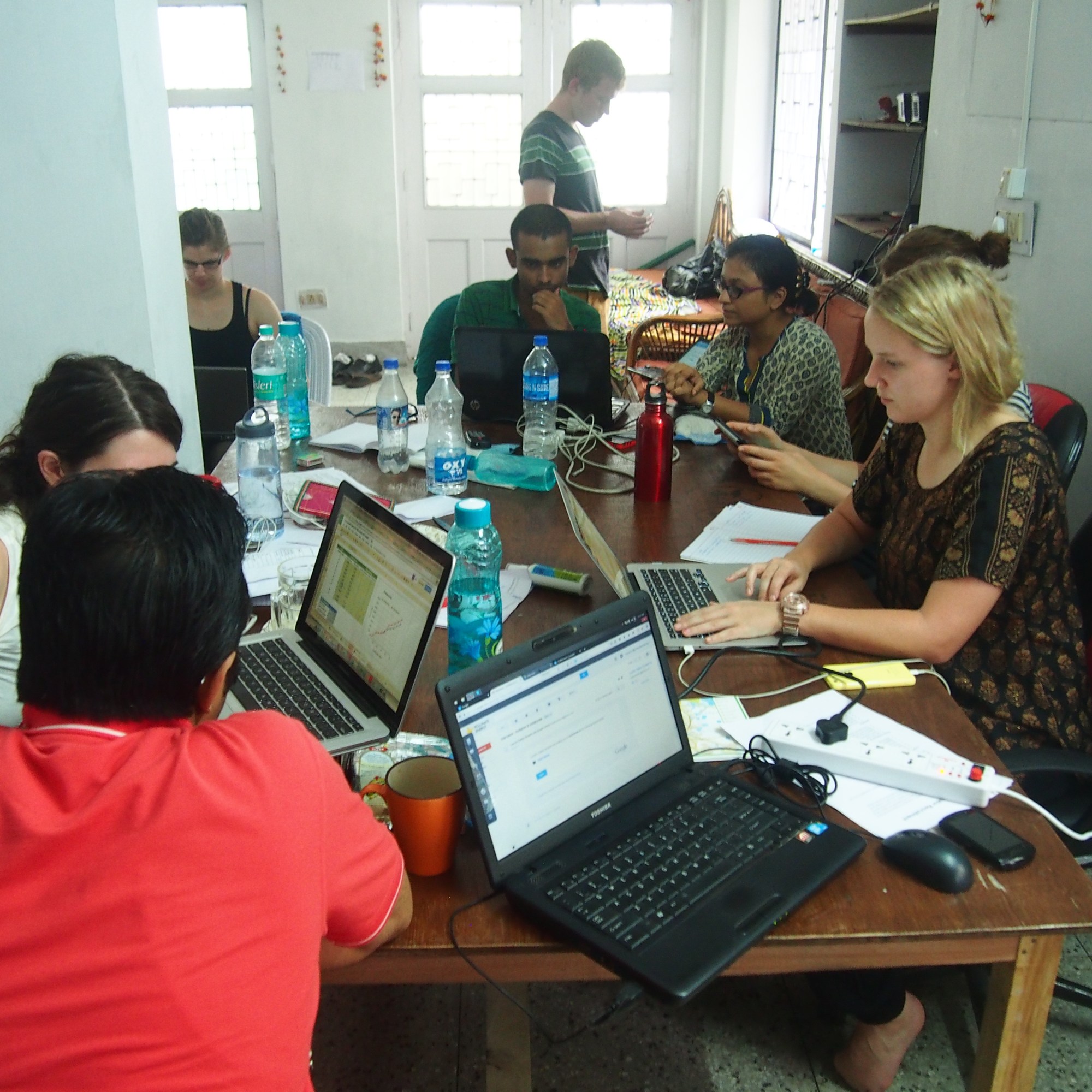
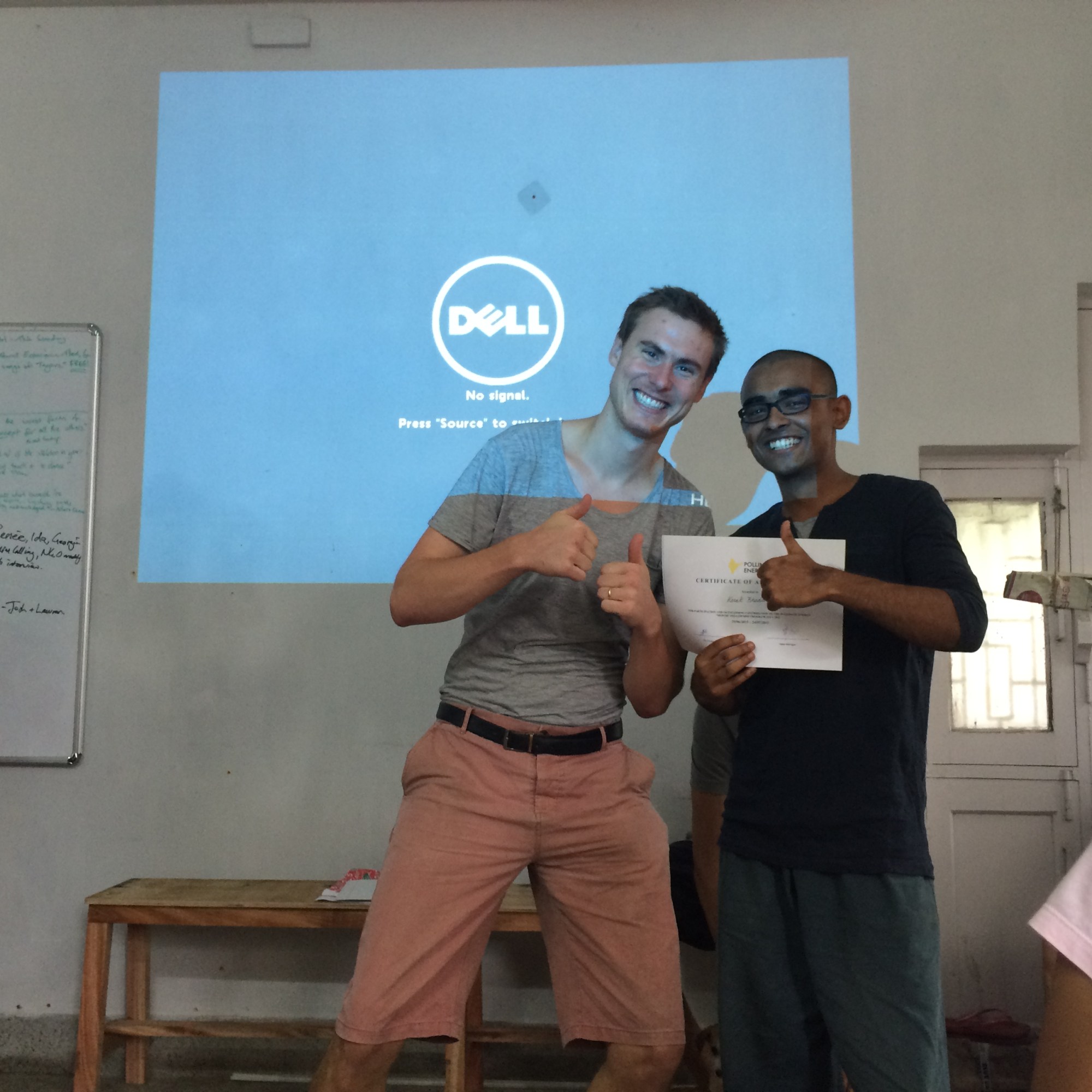
I was a participant in PE’s first Fellowship Program in Kolkata. The program saw participation from various countries. Being a local who spoke Bengali, my role was critical to the success of the field visits. My job was to identify the energy needs of these communities as part of product research. We visited the various settlements every day to conduct surveys and in-depth interviews. Additionally, I also had to contact and visit various NGOs in the city for partnership in sales representative recruitment from the backward communities. I also interviewed these candidates and trained them for sales.
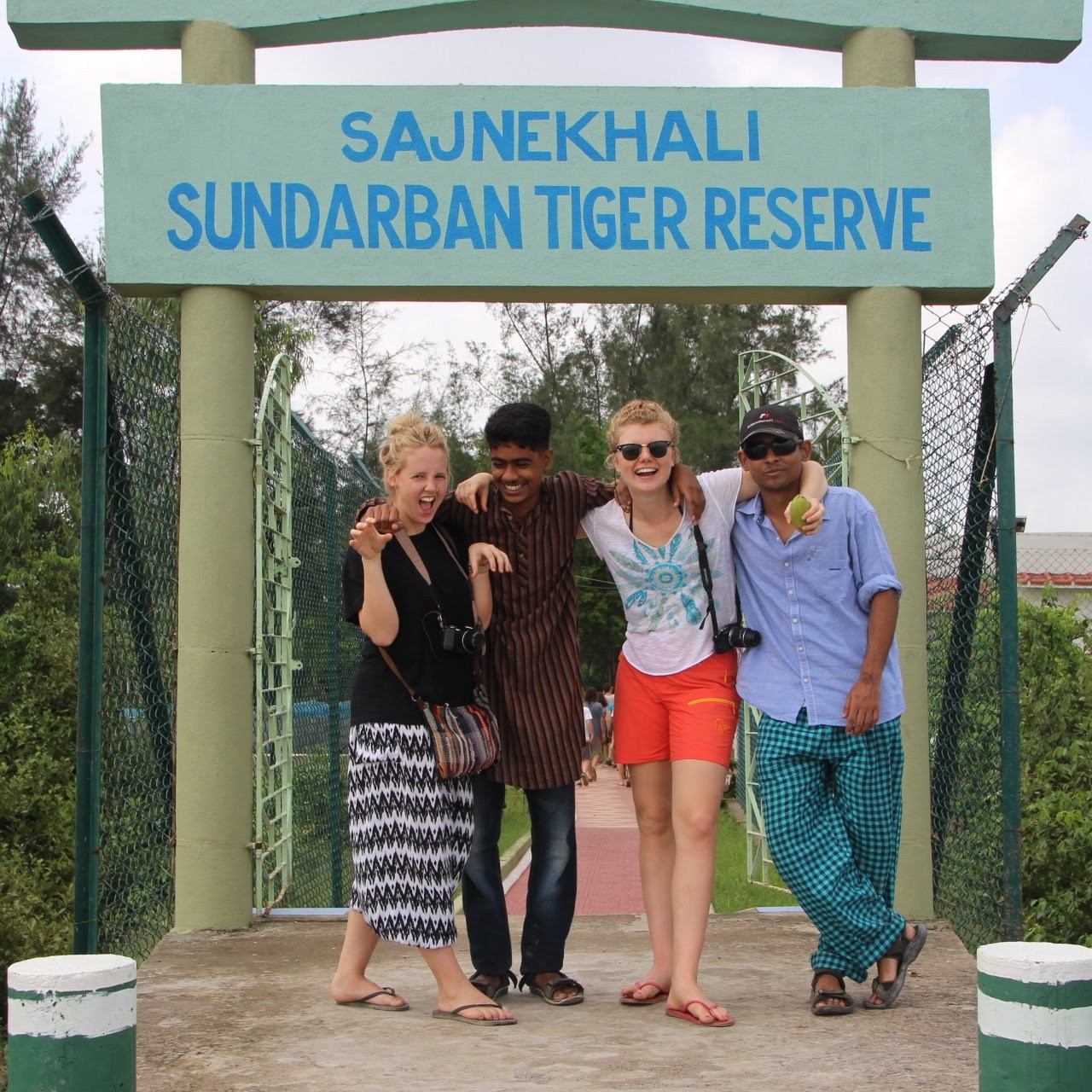
The program exposed me to the problems of the ultra-poor for the first time in my life. It also taught me some basics in Marketing Research. The diverse participation made the program a fun and enriching experience.
June-July 2015
 Korak Bhaduri